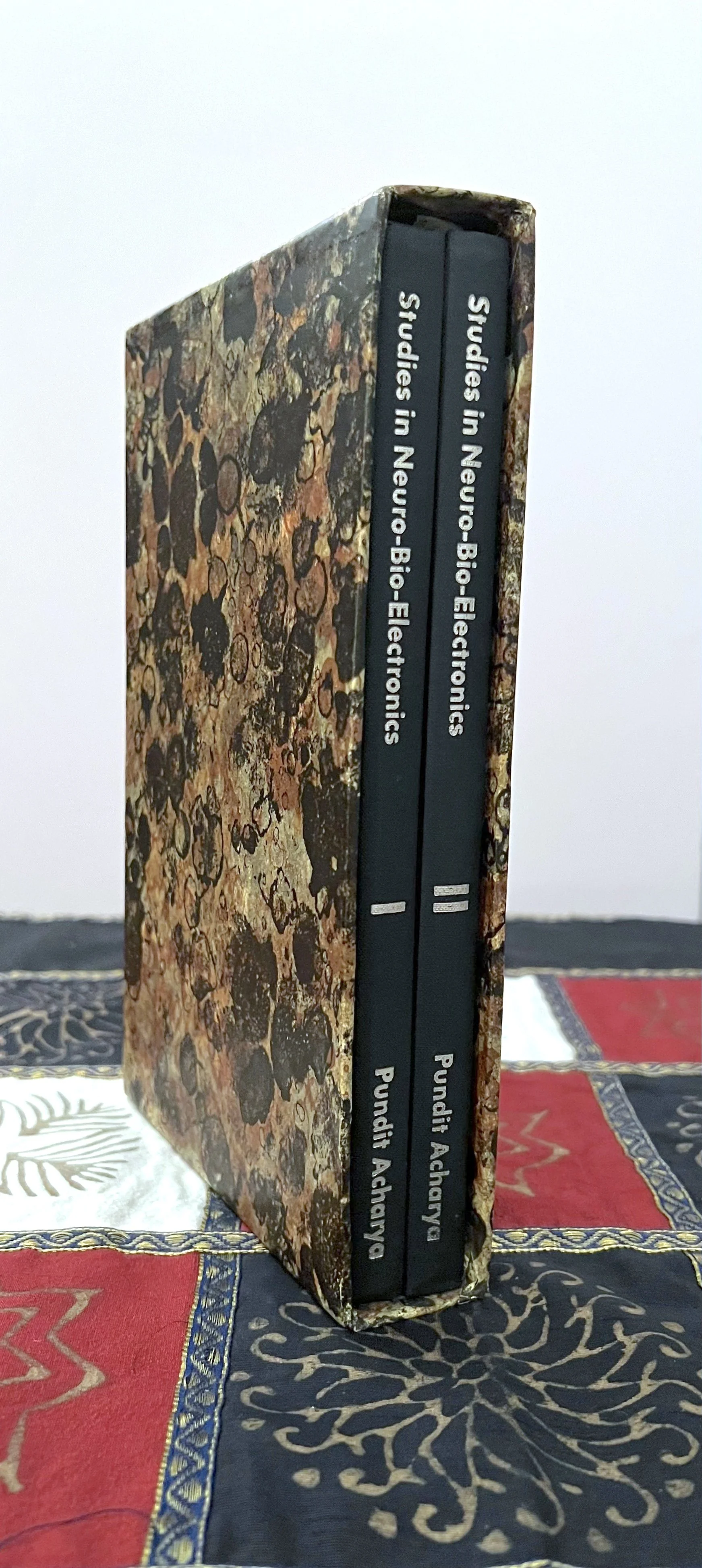

Pundit Acharya. Studies in Neuro-Bio-Electronics: The Doctor’s Book of Yogas. Vol. 1 [with] Studies in Neuro-Bio-Electronics: Training of the Brain by the Brain. Vol. 2 [with 3 pieces of ephemera].
The Prana Press: Nyack, New York. 1970.
Books: Gilt navy blue cloth in decorative slipcase. Vol 1: Frontis., 142 pp., b&w illus., 1 pg. pub. ads. Vol. 2: Frontis., 143 pp., 1 pg. pub. ads. CONDITION: Very good, occasional spots of browning at margins of leaves, occasional underlining in red ink not obscuring text; slipcase good, upper panel bent.
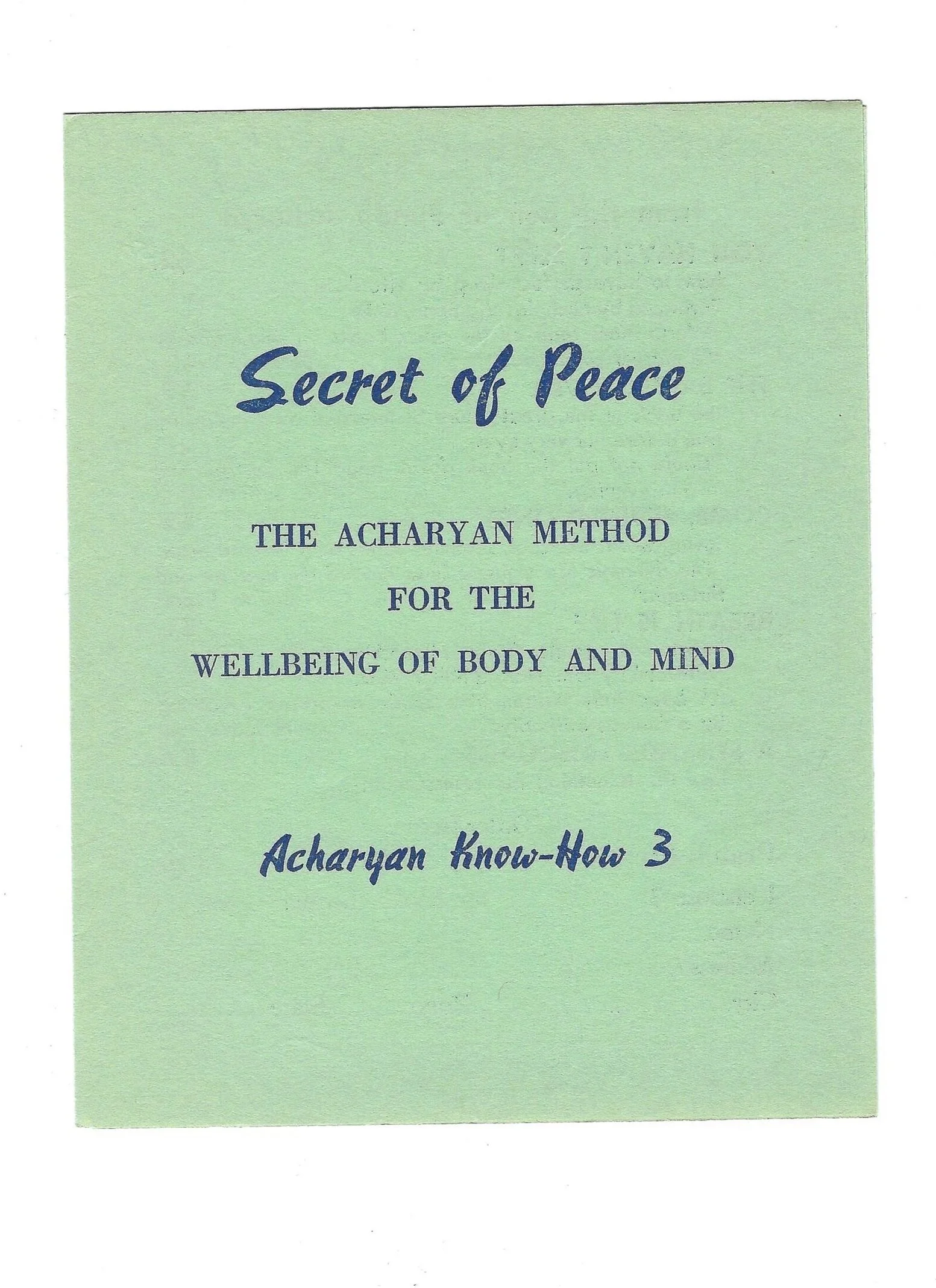
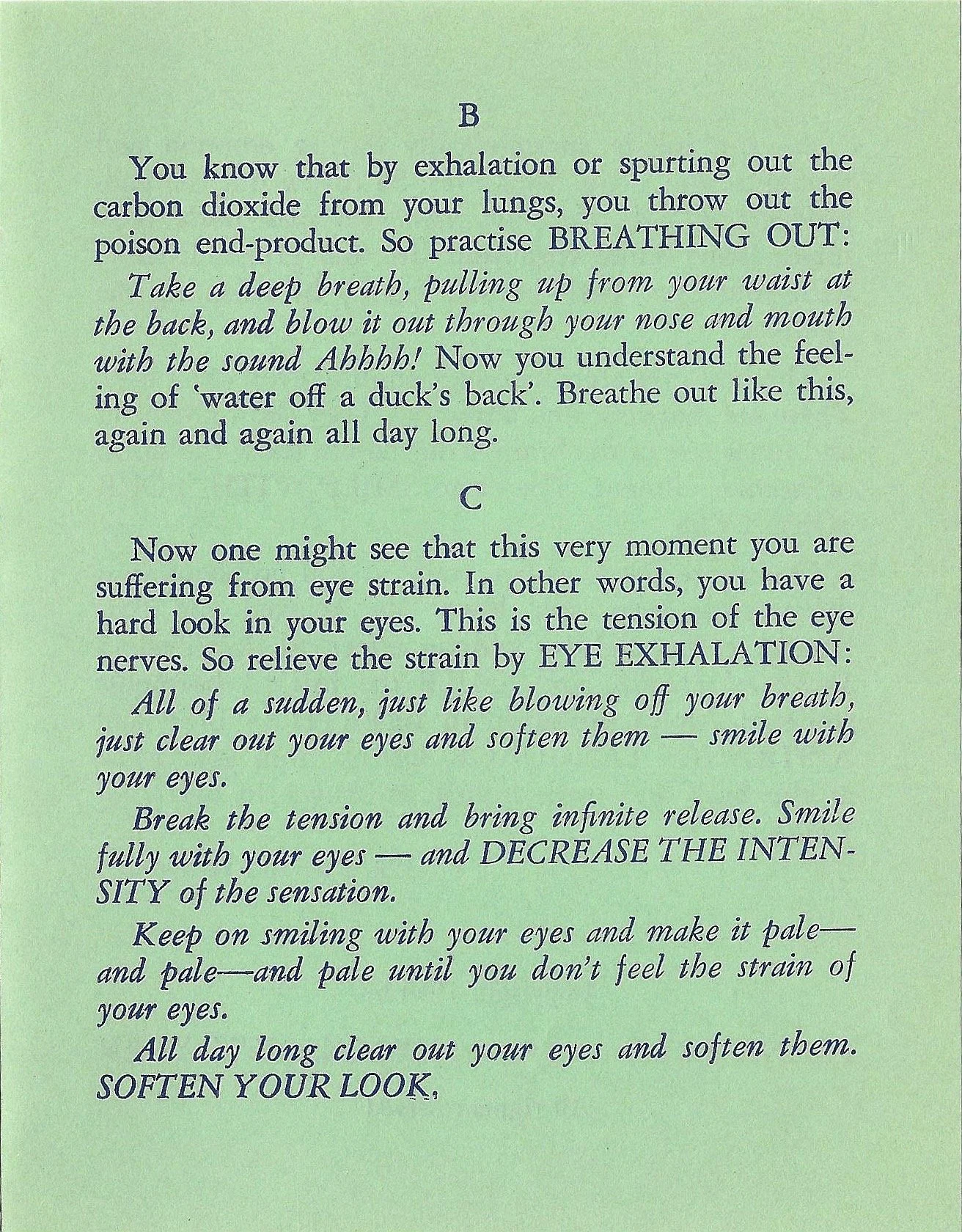
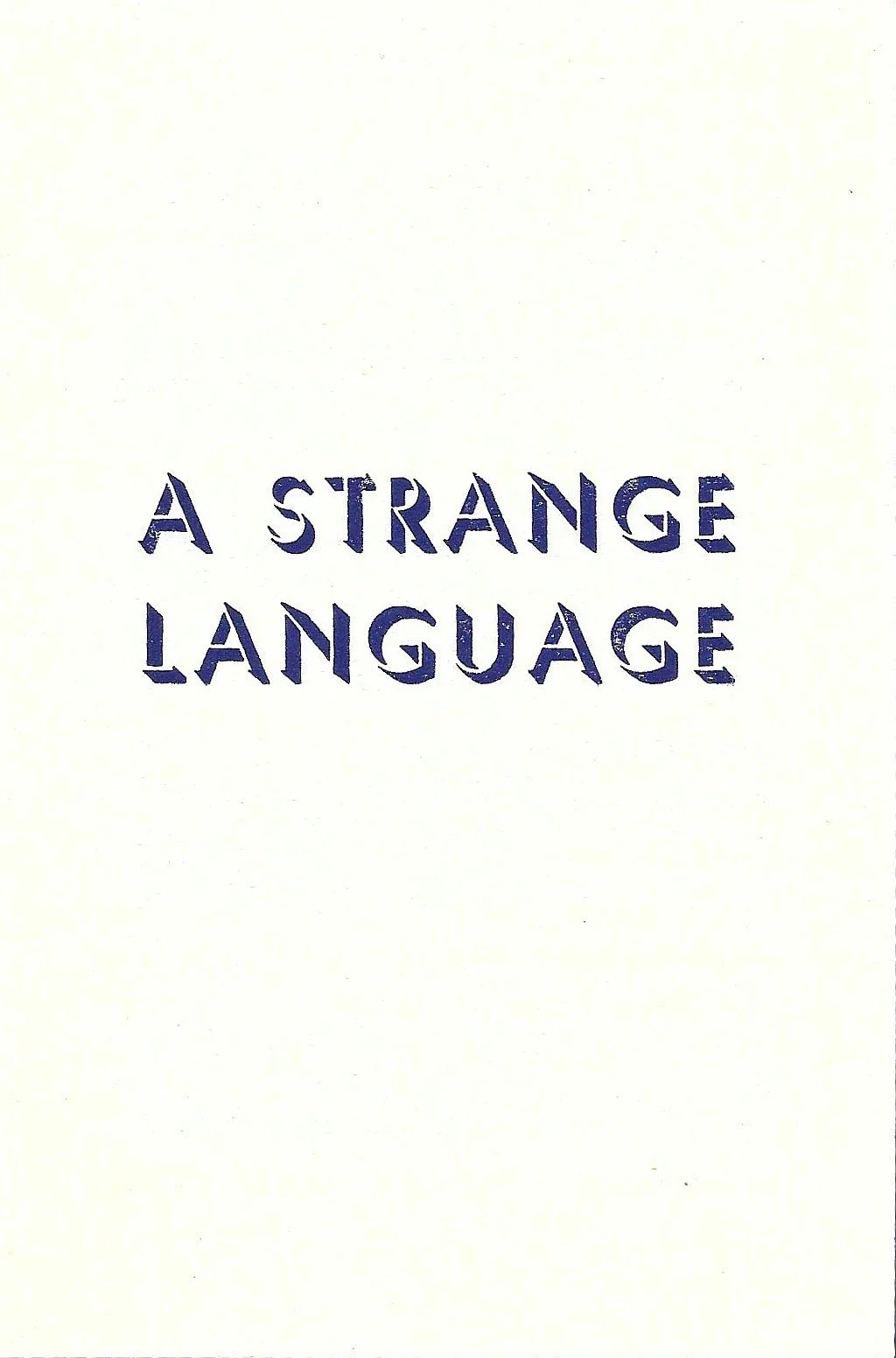
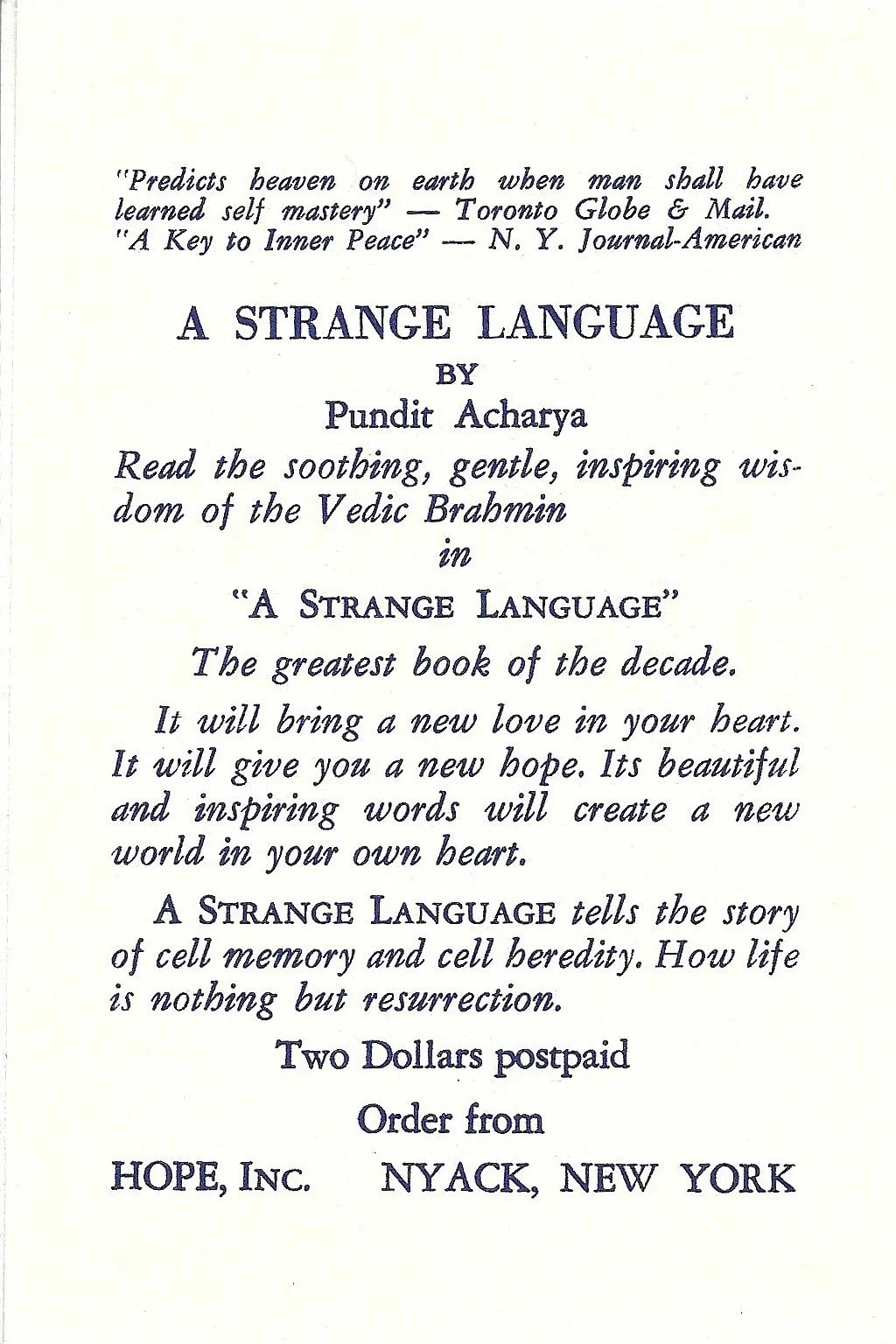
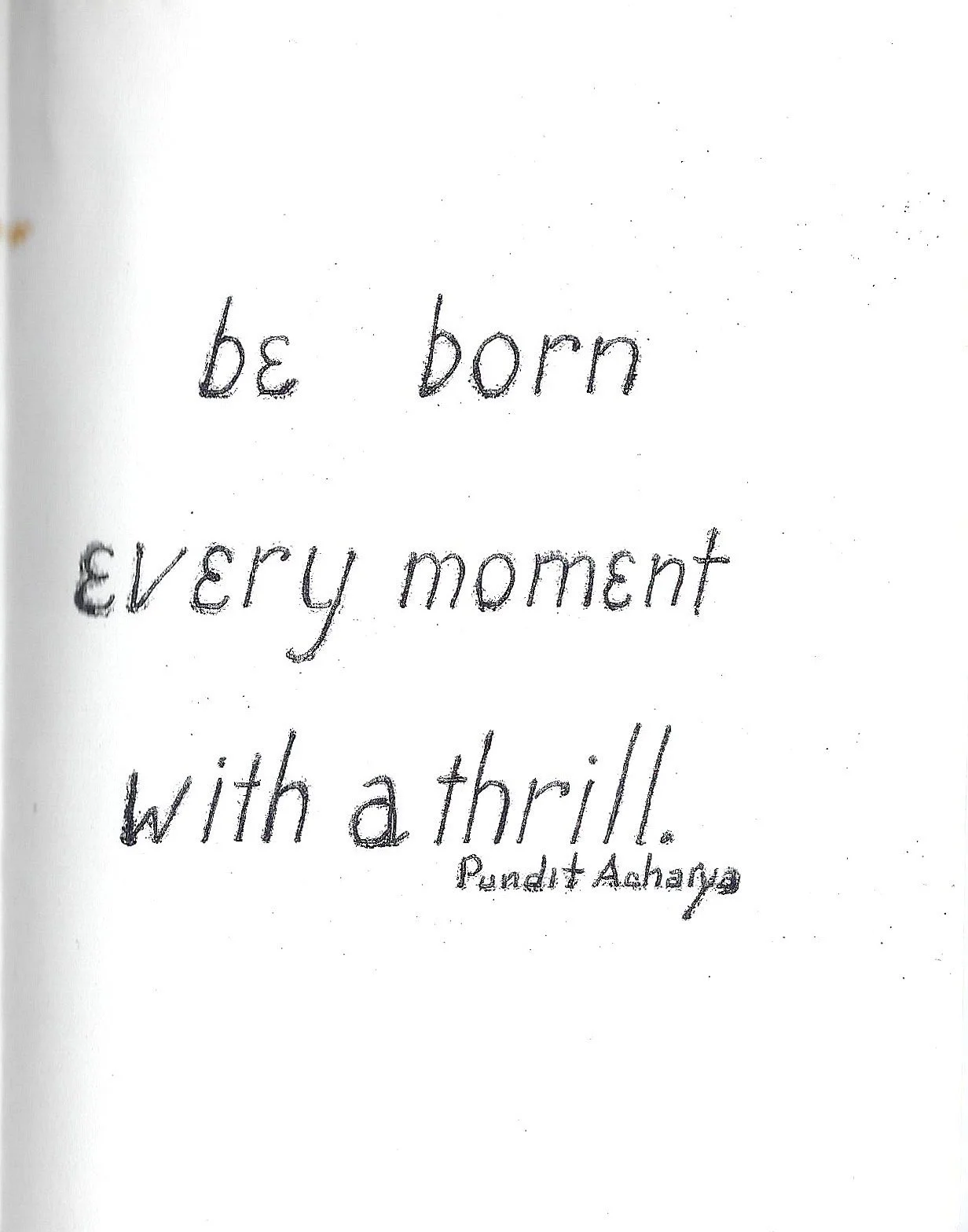
Ephemera: “Be Born every Moment with a Thrill,” brochure, 5.5” x 4.25”, 2 pgs. of text; “A Strange Language,” self-mailer, 5.25” x 3.25”, 3 pgs. of text; “Secret of Peace: The Acharyan Method,” self-mailer, 5.75” x 4.5”, 4 pgs. of text, contemporary annotations in blue ink. CONDITION: Fine.
A highly presentable example of an interwar Bengali immigrant’s posthumous output, being “number 56 of a Special, Limited Edition of One Thousand Copies,” together with promotional ephemera.
Contents of both volumes present Acharya’s characteristic fusion of inspired poetry with pseudoscientific advice. Herein, the texts draw from Kantian philosophy, neurology, pop-psychology, and Acharya’s own metaphysics of the mind-body relationship. Topics in Volume 1 include “A Study in Control of the Involuntary Organs;” “The Laws and Mechanisms of Physiological Attention;” “Waking Up the Adrenal-Thyroid System;” Life is an Electrical Potential;” and other topics related to yoga’s benefit for curious practitioners. Topics in Volume 2 cover the “Neuro-Chemistry of the Brain;” “Lessons in Cerebral Energy;” “What is Consciousness;” “Samadhi;” and other topics recommending meditation for the anxious and obsessive. The photographs provide demonstrations by young women of Acharya’s advice, such as kneeling on one knee.
“Doctor” Pundit Acharya was the pseudonym for the Bengali immigrant, Basudeb Bhattacharya (ca. 1880–1949), who was born in Calcutta and attended Calcutta University prior to sailing to the United States. His biography in these volumes notes that while still a boy, Acharya tended “cholera victims in the streets, defended laborers against injustice,” and was the “teen-age editor [of] Jugantar (The New Age), Calcutta,” while also contributing to the “fight for India’s independence in editorials.” His first appearance in an American newspaper indicates that he was a dancer in Ruth St. Denis’ dancing troupe, being partnered opposite Ms. St. Denis as early as 1910. After vanishing from the printed record (presumably while attending Columbia, Iowa, and other universities), Acharyya appears again in print in 1939, when he published three books. These, along with the rest of his printed output, were published by the Prana Press’s Yoga Research Institute that Bhattacharyya had established that same year, and which he claimed was the first institute to research Yoga in a scientific way. Complementing his career as an author and frequent lecturer, Acharya reportedly also “started Chicago milk drives for undernourished children.” By claiming to be a “Vedic Brahmin” and “reinterpreting the Yogas in terms of neuro-bio-electronics,” Acharyya became wealthy enough to live in Grand View-on-Hudson, near Nyack, where he taught students on retreat there. Unfortunately, Acharya’s therapeutic methods were not enough to stave off an early end, as he died from a cerebral hemorrhage while driving to vacation in Florida in 1949. Though the Yoga Research Institute died soon after Acharya’s passing, its publishing arm, the Prana Press, continued to issue works attributed to the doctor well into the 1970s.
OCLC records 13 holdings of this edition, and no record of the accompanying ephemera.
The Prana Press: Nyack, New York. 1970.
Books: Gilt navy blue cloth in decorative slipcase. Vol 1: Frontis., 142 pp., b&w illus., 1 pg. pub. ads. Vol. 2: Frontis., 143 pp., 1 pg. pub. ads. CONDITION: Very good, occasional spots of browning at margins of leaves, occasional underlining in red ink not obscuring text; slipcase good, upper panel bent.
Ephemera: “Be Born every Moment with a Thrill,” brochure, 5.5” x 4.25”, 2 pgs. of text; “A Strange Language,” self-mailer, 5.25” x 3.25”, 3 pgs. of text; “Secret of Peace: The Acharyan Method,” self-mailer, 5.75” x 4.5”, 4 pgs. of text, contemporary annotations in blue ink. CONDITION: Fine.
A highly presentable example of an interwar Bengali immigrant’s posthumous output, being “number 56 of a Special, Limited Edition of One Thousand Copies,” together with promotional ephemera.
Contents of both volumes present Acharya’s characteristic fusion of inspired poetry with pseudoscientific advice. Herein, the texts draw from Kantian philosophy, neurology, pop-psychology, and Acharya’s own metaphysics of the mind-body relationship. Topics in Volume 1 include “A Study in Control of the Involuntary Organs;” “The Laws and Mechanisms of Physiological Attention;” “Waking Up the Adrenal-Thyroid System;” Life is an Electrical Potential;” and other topics related to yoga’s benefit for curious practitioners. Topics in Volume 2 cover the “Neuro-Chemistry of the Brain;” “Lessons in Cerebral Energy;” “What is Consciousness;” “Samadhi;” and other topics recommending meditation for the anxious and obsessive. The photographs provide demonstrations by young women of Acharya’s advice, such as kneeling on one knee.
“Doctor” Pundit Acharya was the pseudonym for the Bengali immigrant, Basudeb Bhattacharya (ca. 1880–1949), who was born in Calcutta and attended Calcutta University prior to sailing to the United States. His biography in these volumes notes that while still a boy, Acharya tended “cholera victims in the streets, defended laborers against injustice,” and was the “teen-age editor [of] Jugantar (The New Age), Calcutta,” while also contributing to the “fight for India’s independence in editorials.” His first appearance in an American newspaper indicates that he was a dancer in Ruth St. Denis’ dancing troupe, being partnered opposite Ms. St. Denis as early as 1910. After vanishing from the printed record (presumably while attending Columbia, Iowa, and other universities), Acharyya appears again in print in 1939, when he published three books. These, along with the rest of his printed output, were published by the Prana Press’s Yoga Research Institute that Bhattacharyya had established that same year, and which he claimed was the first institute to research Yoga in a scientific way. Complementing his career as an author and frequent lecturer, Acharya reportedly also “started Chicago milk drives for undernourished children.” By claiming to be a “Vedic Brahmin” and “reinterpreting the Yogas in terms of neuro-bio-electronics,” Acharyya became wealthy enough to live in Grand View-on-Hudson, near Nyack, where he taught students on retreat there. Unfortunately, Acharya’s therapeutic methods were not enough to stave off an early end, as he died from a cerebral hemorrhage while driving to vacation in Florida in 1949. Though the Yoga Research Institute died soon after Acharya’s passing, its publishing arm, the Prana Press, continued to issue works attributed to the doctor well into the 1970s.
OCLC records 13 holdings of this edition, and no record of the accompanying ephemera.